 111
111 2
2 3
3
The Strait of Hormuz has been functionally closed to most commercial shipping since Feb. 28, 2026, collapsing daily transits from roughly 130 to about 6 and removing roughly one-fifth of global oil flows. This is not a brief energy price blip; it is a multi-month operational and financial disruption that reshapes shipping economics, insurance markets, and the balance of supply alternatives.
Exporters and importers of crude and refined products face direct supply and cash-flow risk: the Strait normally carries about 20 million barrels per day (mbpd), and current pipeline bypasses (Saudi Arabia’s East‑West plus UAE’s ADCOP) cover about 7 mbpd, leaving an immediate gap near 13 mbpd. Refiners in Asia and Europe that relied on Gulf cargoes, and trading houses holding forward positions, confront sustained delivery risk rather than a short-lived timing mismatch.
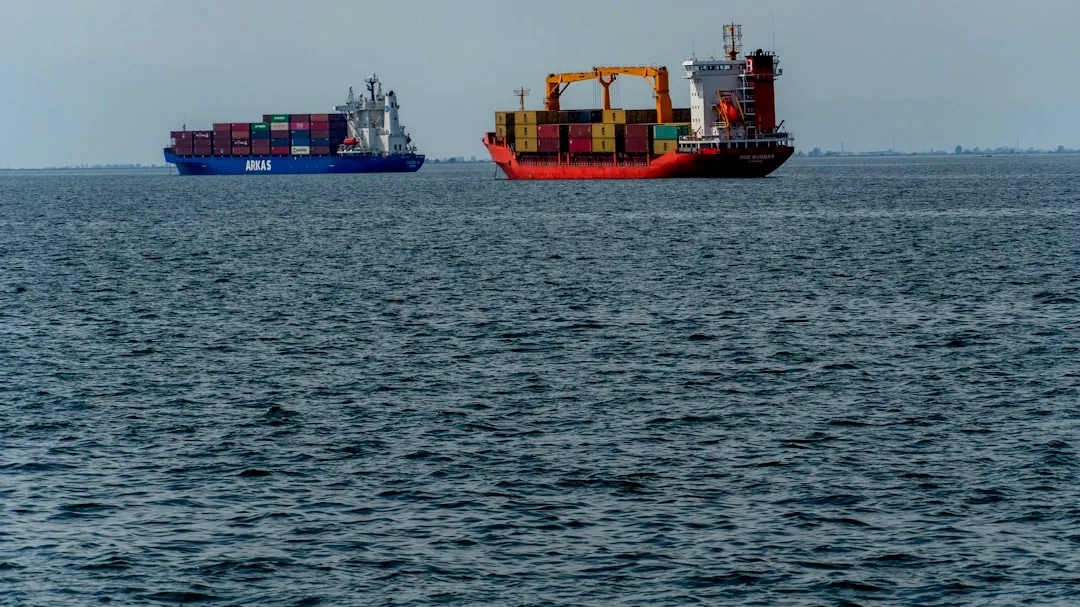
Shipping lines and insurers are also acute victims. Maersk, MSC, CMA CGM and Hapag‑Lloyd have suspended Gulf transits and are rerouting ships around the Cape of Good Hope; war‑risk premiums have jumped about 8x and operators face port-to-port VLCC transit costs that rose from roughly $125,000 to $2–3 million per passage. Over 1,000 vessels remain trapped inside or outside the Gulf, creating immediate logistics and working‑capital strain for charterers and cargo owners.
The bottleneck is operational, not just political. With daily transits down about 95% since Feb. 28, 2026, clearing the backlog is a measured process: port berths, pilot services, and inspection regimes are limited, so even a stable ceasefire creates weeks, not days, of recovery under controlled conditions. Early April’s ceasefire announcement allowed limited movement, but operators face coordinated permissions from Iranian authorities and, in many cases, U.S. naval escorts or guarantees—each adding time and cost.
Rerouting increases voyage distance and cargo time, and carriers are passing those costs through. Container war‑risk surcharges of $1,500–4,000 per TEU are already in place; combined with longer sailings around the Cape, these add tens of millions of dollars weekly to global freight flows. That expense changes commercial calculations: some trades will permanently reprice or switch origins, while others will be deferred, squeezing liquidity along the chain.
Pipelines and alternative terminals blunt but do not solve the shortage. The 7 mbpd of bypass capacity relieves some pressure, yet leaves roughly 13 mbpd exposed to longer shipping or storage shortfalls—the kind of gap that sustains elevated prices and forces inventory draws. Damage to regional refining and LNG infrastructure (reported outages at Ras Tanura and QatarEnergy’s LNG facilities after attacks) further delays normalization by reducing throughput even where crude is accessible.
The macro consequences are concentrated and asymmetric. Brent has climbed more than 50% above pre‑crisis levels; fuel, shipping and fertilizer import bills are inflating current accounts in vulnerable countries. UNCTAD and development finance actors warn that higher import costs plus depreciating currencies and rising borrowing costs increase the odds of debt stress in low‑income importers—an economic channel that can persist independently of a return to full maritime access.
Move from narrative to signals: watch specific, observable thresholds rather than headline ceasefire statements. The pace of backlog clearance, Iran’s handling of transit permissions and any transit tolls, the return of war‑risk coverage at scale, and physical repairs to refineries/LNG plants will together determine whether the shock fades or becomes structural. Below is a compact decision table to use as a monitoring checklist.
| Indicator | Current status (early Apr 2026) | Threshold to watch | Practical implication |
|---|---|---|---|
| Vessel backlog | ~1,000 vessels trapped; controlled clearances started | Sustained daily throughput >50% of pre‑crisis for 7+ days | Liquidity and freight normalization begins; reduce emergency hedges |
| Iran transit policy & tolls | Permissions required; reports of tolls and inspections | Transparent, predictable fee schedule + standardized permissions | Carriers may resume Gulf routing; war‑risk surcharges fall |
| Insurance market | War‑risk premiums ~8x; many underwriters withdrawn | Major reinsurers reenter with market‑standard premiums | Transit costs normalize; cheaper VLCC passages |
| Regional energy infrastructure | Some refineries/LNG offline after attacks | Key terminals restored or alternative export capacity added | Supply tightness alleviates; prices ease |
| Carrier routing decisions | Major lines rerouted via Cape of Good Hope | Public route resumption announcements by Maersk/MSC/CMA CGM | Container freight and supply‑chain lead times shrink |
When could flows materially normalize? If clearances accelerate to more than half of pre‑crisis daily transits for a sustained week and insurance markets reprice, you can expect significant normalization within several weeks; absent that, normalization may take months. Watch the backlog metric closely.
Should traders treat this as a buying opportunity? Only if your time horizon matches structural repair expectations and you hedge for extended delivery risk; market spikes reflect real logistical shortages, not just speculative repositioning.
What should shippers and logistics managers do now? Reassess routing economics under current war‑risk and fuel surcharges, lock working‑capital for longer voyages, and consider contract clauses that account for extended voyage times and permission-based transits.
Disclaimer: CryptoBetInsight.com is an informational website only and does not operate or provide any online gambling services. Availability of gambling services depends on the laws and regulations of your jurisdiction. Users are solely responsible for ensuring that their use of any external service complies with local laws and regulations.
Affiliate Disclosure: Some links on this website may be affiliate links. If you sign up or make a purchase through these links, we may earn a commission at no additional cost to you.
Legal Compliance: Users from the United States and other jurisdictions must comply with all applicable federal, state, and local laws regarding online gambling. Where applicable, users must meet the legal age requirements in their jurisdiction (commonly 21+).
Responsible Gambling: Please gamble responsibly and only wager what you can afford to lose. If you believe you may have a gambling problem, consider seeking help from a local support organization or a responsible gambling resource.