 111
111 2
2 3
3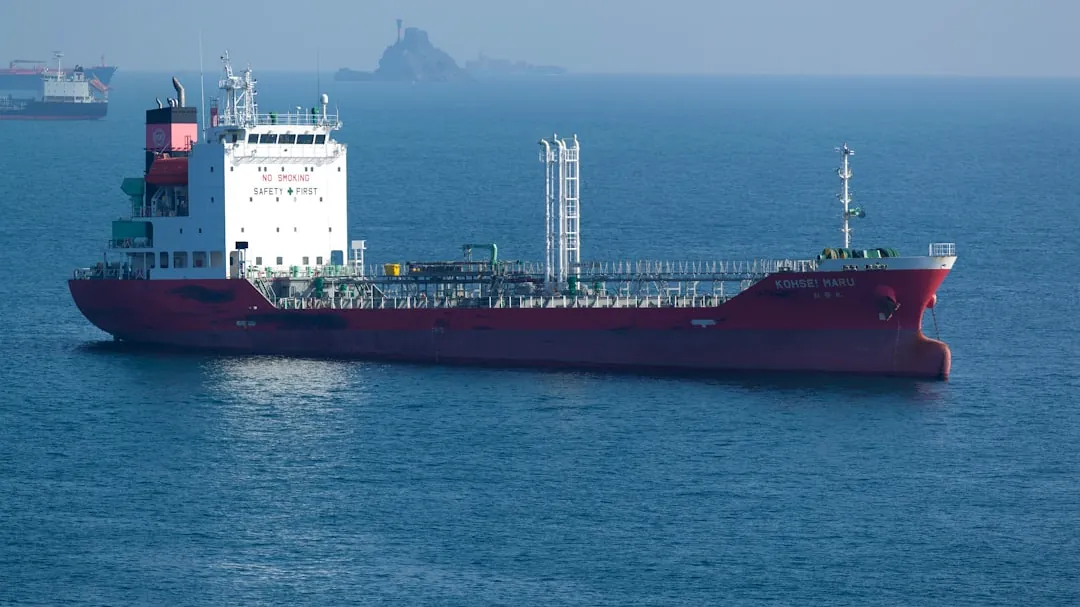
Iran has begun requiring oil tankers to pay roughly $1 per barrel in Bitcoin to transit the Strait of Hormuz during a two‑week ceasefire, a move that turns cryptocurrency into an operational instrument of sanctions circumvention while creating acute financial and legal exposure for shipowners.
According to Hamid Hosseini, spokesperson for Iran’s Oil, Gas and Petrochemical Products Exporters’ Union, ships carrying oil must pay about $1 per barrel in BTC during the ceasefire; empty vessels are exempt. Vessels submit cargo and ownership details for vetting, and approved ships are required to complete the Bitcoin transfer within seconds to minimize traceability and the risk of seizure.
The operational footprint is currently small: before the recent conflict roughly 135 ships transited the strait daily, but under the new rules only about 10–15 vessels pass each day. That narrowing reduces aggregate toll revenue and concentrates the enforcement burden on a few visible transits, increasing both logistical friction and reputational pressure on carriers and insurers.
Iran’s adoption of crypto here is driven by sanctions avoidance: the country’s financial toolbox has leaned on digital assets and reportedly acquired stablecoins such as USDT to settle cross‑border flows. But choosing Bitcoin introduces exchange‑rate risk that stablecoins do not—Bitcoin has fallen roughly 12% since hostilities escalated, undercutting its usefulness as a predictable payment medium in a high‑value commercial corridor.
Mechanically, the requirement to settle within seconds pushes counterparties toward on‑chain transactions with limited on‑ramp settlement windows, creating three linked problems: heightened price slippage for large transfers, operational risk if a payment fails to hit the right address within the window, and legal exposure where downstream banks or insurers refuse to recognize the payment as valid for contractual purposes. These are concrete frictions that distinguish crypto‑enabled sanctions work from ordinary commercial toll collection.
The Iranian Revolutionary Guard Corps enforces compliance and assigns a “friendliness” ranking that can affect toll treatment; Tehran has broadcast warnings that unapproved vessels risk military action. That mixes armed coercion with digital settlement—shipping companies therefore face a layered calculus of physical risk, insurance coverage gaps, and counterparty credit risk if a buyer refuses to accept cargo transacted under duress.
Political responses are inconsistent: former President Donald Trump made remarks suggesting revenue sharing with Iran, while Senator Marco Rubio condemned the toll as illegal and dangerous. Those competing signals matter because they affect how insurers, flag states, and maritime service providers will assess the legality and insurability of a transit paid in Bitcoin—practical gatekeepers for any scaling beyond the current, limited transits.
Whether this experiment scales hinges on a few observable thresholds: extension of the toll beyond the two‑week ceasefire; a rise in daily transits back toward pre‑conflict levels; or formal responses from insurers, flag states, or major port authorities. Each would change the incentives for both Iran and shipping firms in different ways.
| Trigger | What it signals | Immediate implication for market participants |
|---|---|---|
| Toll extended past two weeks | Policy normalization | Operational adoption increases; insurers may demand clause changes or refuse coverage |
| Transit volumes return toward 135/day | Commercial viability for tolling | Revenue rises but so do settlement and FX exposures |
| Public pushback from insurers/flag states | Legal and compliance constraints tighten | Shipping firms may route around the strait or refuse BTC settlement |
Will paying in Bitcoin avoid sanctions enforcement? Not necessarily—on‑chain payments can be fast but are traceable; the requirement to settle in seconds aims to reduce traceability windows, but intermediaries and on‑ramp/off‑ramp points still create chokepoints where enforcement or seizure can occur.
Who loses most if BTC is the toll currency? Shipowners and cargo buyers absorb exchange‑rate volatility and potential insurance shortfalls; insurers and flag states bear legal and reputational exposure that could translate into denied claims or stricter routing rules.
What should market participants watch next? Watch whether Iran extends the toll beyond the two‑week ceasefire, any formal prohibitions by major insurers or flag registries, and changes in daily transit numbers from the current ~10–15 back toward pre‑conflict levels (~135/day).
Disclaimer: CryptoBetInsight.com is an informational website only and does not operate or provide any online gambling services. Availability of gambling services depends on the laws and regulations of your jurisdiction. Users are solely responsible for ensuring that their use of any external service complies with local laws and regulations.
Affiliate Disclosure: Some links on this website may be affiliate links. If you sign up or make a purchase through these links, we may earn a commission at no additional cost to you.
Legal Compliance: Users from the United States and other jurisdictions must comply with all applicable federal, state, and local laws regarding online gambling. Where applicable, users must meet the legal age requirements in their jurisdiction (commonly 21+).
Responsible Gambling: Please gamble responsibly and only wager what you can afford to lose. If you believe you may have a gambling problem, consider seeking help from a local support organization or a responsible gambling resource.