 111
111 2
2 3
3
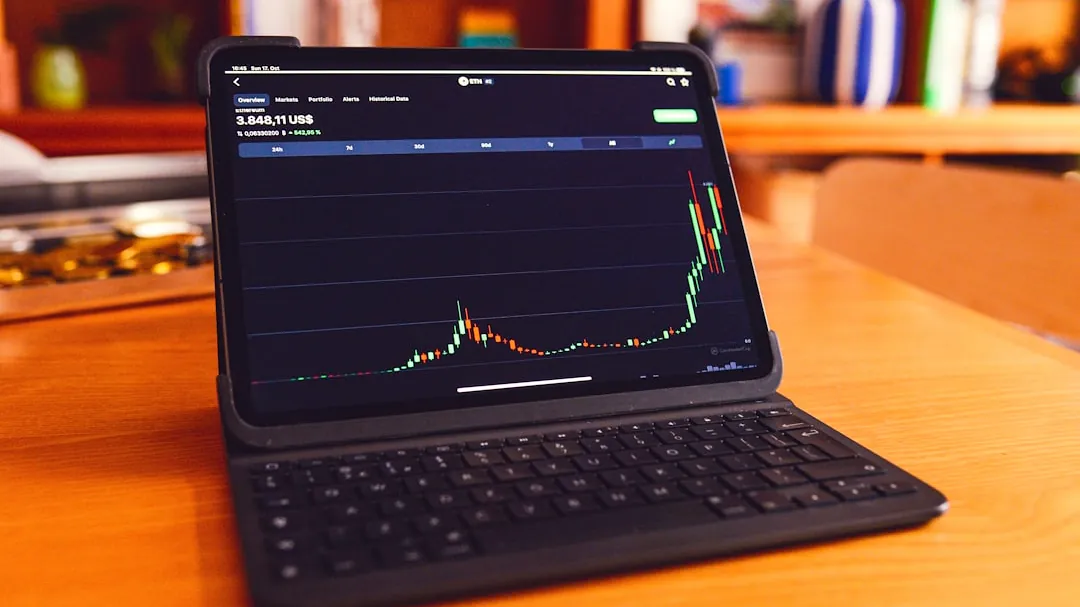
Bitcoin has never closed two consecutive calendar years in the red since 2011, and that pattern is the most reliable single historical feature investors can use today. That resilience—red years usually followed by green ones—matters, but it is not a shortcut to treating losses as safe buying opportunities without checking volume, event risk, and the 2025 checkpoint.
Since 2011 every losing calendar year has been followed by at least one winning year; for example, the deepest annual drop on record was -73.48% in 2018, yet the market recovered the following year. That repeated single‑year reset implies Bitcoin’s drawdowns have functioned as redistribution points rather than permanent breakdowns.
That said, magnitude varies wildly—2013 produced a 5,463% return while 2011 and 2017 each exceeded +1,300%—so the absence of back‑to‑back annual losses is a structural tendency, not a guarantee against extreme intra‑year swings or large percentage drawdowns.
Winning years almost always come with rising or elevated trading volume; losing years typically show falling volume. Use that contrast: a negative 12‑month return accompanied by shrinking volume looks more like consolidation, whereas a negative year with surging volume suggests forced selling or crisis-driven exits.
Major external events alter the cadence. The 2012 halving reduced miner rewards and preceded the 2013 surge; the Chicago Board Options Exchange listing of Bitcoin futures in late 2017 coincided with a peak; and China’s 2021 policy crackdown produced a dramatic drawdown. Watch event timing as much as the headline percent move.
| Strategy | Trigger to Use It | Risk/Cost | When to Reassess |
|---|---|---|---|
| Buy into the dip (lump sum) | Clear year‑to‑date reversal to positive and rising volume | High volatility risk; timing error can be costly | If regulatory shock or sustained volume decline persists 30–90 days |
| Dollar‑cost averaging (DCA) | Volatility expected; no single entry preferred | Lower timing risk but slower upside capture | If multi‑month trend turns strongly negative or liquidity tightens |
| Wait for confirmation | Need calendar year flip or clear macro/regulatory calm | Missed early rebound potential; lower drawdown risk | Reassess after two consecutive positive monthly closes with rising volume |
| Reduce exposure / hedge | Regulatory bans, exchange outages, or liquidity freezes | Costs of hedging; potential opportunity loss if rebound follows | When market depth and on‑chain activity normalize |
The table helps translate the historical pattern into action. If 2025 closes modestly negative now (-6.33% year‑to‑date), you can treat it like a typical reset only if volume is contracting and no systemic event is unfolding; if volume rises or new regulatory restrictions appear, the tradeoffs change and you should lean toward waiting or hedging. In short: let the combination of volume trend, event type (halving, exchange/legal shock), and a clear calendar‑year reversal drive whether you scale in fast, use DCA, or pause.
Set three checkpoints to turn the historical pattern into a policy: (1) year‑to‑date sign—does the annual return flip positive by year end; (2) volume confirmation—are on‑chain transfers and exchange volume increasing; (3) event filter—are there new regulatory moves (for instance, the 2021 China actions or fresh listings like the 2017 futures launch) that change market participation. Use all three together; none alone is decisive.
Watch the 2025 finish as the immediate test: if 2025 ends negative and is followed by another negative year, the long‑standing pattern would break for the first time since 2011 and should prompt an automatic reassessment of position size and risk limits.
Q: Does a single red year mean sell everything?
A: No. Historically, single red years have frequently preceded recoveries; decide based on volume, events, and your time horizon.
Q: Who should be cautious now?
A: Short‑term traders and leveraged positions—because intra‑year volatility can exceed annual averages—plus anyone whose exposure would force selling in an illiquid drop.
Q: What’s an immediate stop signal?
A: A regulatory ban or exchange liquidity freeze that materially reduces tradable depth; otherwise use your pre‑set risk limit tied to portfolio impact, not the headline percent move.
Disclaimer: CryptoBetInsight.com is an informational website only and does not operate or provide any online gambling services. Availability of gambling services depends on the laws and regulations of your jurisdiction. Users are solely responsible for ensuring that their use of any external service complies with local laws and regulations.
Affiliate Disclosure: Some links on this website may be affiliate links. If you sign up or make a purchase through these links, we may earn a commission at no additional cost to you.
Legal Compliance: Users from the United States and other jurisdictions must comply with all applicable federal, state, and local laws regarding online gambling. Where applicable, users must meet the legal age requirements in their jurisdiction (commonly 21+).
Responsible Gambling: Please gamble responsibly and only wager what you can afford to lose. If you believe you may have a gambling problem, consider seeking help from a local support organization or a responsible gambling resource.