 111
111 2
2 3
3
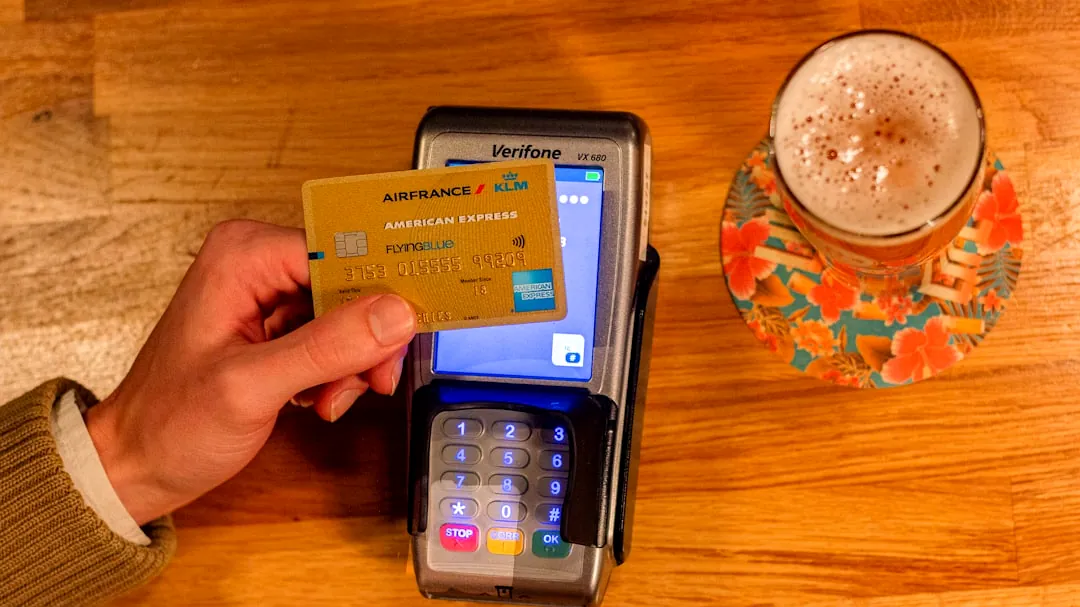
Bermuda has moved from regulatory groundwork to an operational plan: the government announced at the World Economic Forum in January 2026 that it will migrate wages, merchant payments, fees and other public payments onto the Stellar blockchain. This is a government-led attempt to embed regulated digital assets into everyday commerce — aimed at cutting merchant costs that currently run 3–5% (and in some categories up to 10%) on card rails.
The rollout covers concrete payments and financial services: payroll disbursements to residents, merchant settlements, government fee collection, pilots of stablecoin payments, tokenization tools for banks, and social-service disbursements. Premier David Burt framed the move as a response to “outdated payment infrastructure” that drains value from Bermuda’s roughly $9 billion economy; the public announcement at WEF in January 2026 signaled a shift from talking about regulation to testing operations.
That operational focus leans on Bermuda’s existing legal framework — the Digital Asset Business Act of 2018 — which provides the clarity regulators and firms need to issue and custody tokenized assets. Technically, the government picked Stellar because the network settles payments in seconds for fractions of a cent and supports the “asset controls” regulated institutions require. The approach traces a precedent: the Republic of the Marshall Islands’ ENRA program used Stellar for a nationwide onchain universal basic income disbursement in late 2025, showing a path from single-program pilots to broader public use.
Operational gains come with clear dependencies. Bermuda must coordinate stablecoin issuance or onboarding (including KYC/AML controls), integrate core banking and custodial services with Stellar wallets, and get merchants to accept a new payments flow at scale. The Stellar Development Foundation itself notes these are forward-looking plans subject to regulatory approvals and technical integration risks; there is no guarantee every pilot becomes production.
| Use case | Primary benefit | Main friction | When the trade-off makes sense |
|---|---|---|---|
| Merchant payments | Lower transaction costs (from card fees of ~3–10%) | Merchant POS/software integration and liquidity routing | If >25–30% gross merchant acceptance occurs or card-fee pass-throughs are contractually reduced |
| Payroll & social transfers | Faster settlement and programmable controls | Worker wallet adoption, dispute/recourse mechanisms, tax reporting | When wallets meet KYC and payroll integrations with banks |
| Bank tokenization | New products, improved liquidity management | Regulatory interpretations for tokenized claims and custody models | If financial institutions sign integration agreements and regulators approve custody rules |
Read as a headline-only crypto narrative, Bermuda’s move looks like another “blockchain experiment.” That misreads the project. The government sponsorship, the reliance on the 2018 Digital Asset Business Act, and public plans for wages and government fees distinguish this from venture or retail-driven hype. The onchain numbers also show usage traction: Stellar’s onchain real-world asset value exceeded $2 billion in Q1 2026 and stablecoins on Stellar had roughly $415 million market cap at that time; by contrast, XLM’s spot price traded relatively sideways in 2026, underscoring that the initiative targets rails and settlement, not token speculation.
Still, institutional credibility is conditional. The Stellar Development Foundation and government statements both underline that the program’s value depends on actual pilot outcomes: commercial stablecoin launches, bank integrations, and merchant onboarding. If those checkpoints slip or fail to clear regulatory or technical requirements, the project’s systemic impact will be limited to niche use cases rather than a replacement of card rails.
Monitor a short list of operational checkpoints rather than headlines: (1) dates and scope of stablecoin payment pilots, (2) signed integration agreements with domestic banks or custodians, (3) merchant onboarding metrics and wallet penetration among residents, and (4) published rules or guidance from Bermuda regulators updating the Digital Asset Business Act framework for the new services. Each is a binary-like filter that moves the initiative from “proof of concept” to “real substitution” of existing payments rails.
Q: When will this reduce card fees for Bermudian merchants?
A: Only after merchants adopt Stellar payments at scale and liquidity/settlement corridors are established—watch merchant acceptance rates and payment-processing partnerships.
Q: Does Bermuda need its own stablecoin?
A: Not necessarily; the government can pilot third-party regulated stablecoins or issue one. The key requirement is that the chosen stablecoin meets local KYC/AML and custody expectations under Bermuda law.
Q: Is this a model other countries can copy?
A: Potentially, but replication depends on prior regulatory clarity (like Bermuda’s 2018 act), willing public leadership, and commercial partners able to integrate banking and merchant ecosystems at scale.
Disclaimer: CryptoBetInsight.com is an informational website only and does not operate or provide any online gambling services. Availability of gambling services depends on the laws and regulations of your jurisdiction. Users are solely responsible for ensuring that their use of any external service complies with local laws and regulations.
Affiliate Disclosure: Some links on this website may be affiliate links. If you sign up or make a purchase through these links, we may earn a commission at no additional cost to you.
Legal Compliance: Users from the United States and other jurisdictions must comply with all applicable federal, state, and local laws regarding online gambling. Where applicable, users must meet the legal age requirements in their jurisdiction (commonly 21+).
Responsible Gambling: Please gamble responsibly and only wager what you can afford to lose. If you believe you may have a gambling problem, consider seeking help from a local support organization or a responsible gambling resource.