 111
111 2
2 3
3
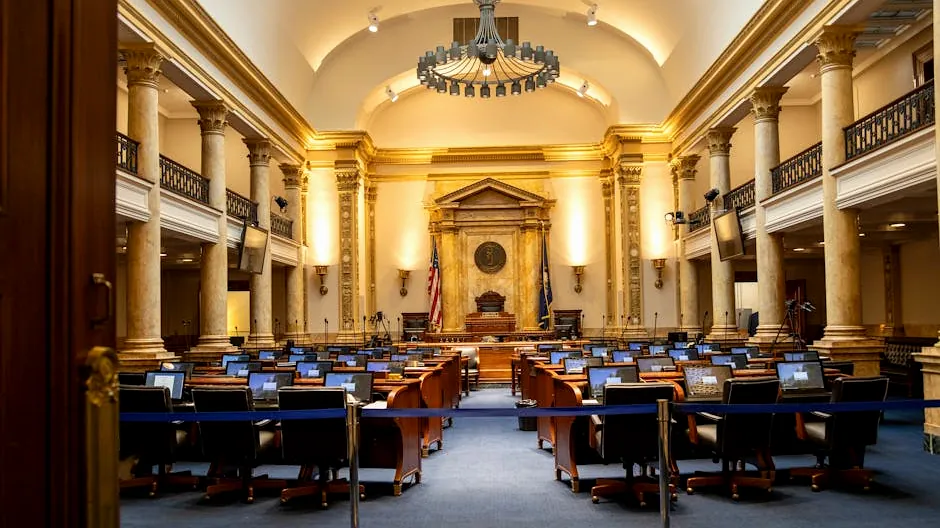
The Minnesota legislature is currently deliberating the mobile sports betting bill, S.F. 4139. This renewed consideration is crucial as unregulated betting options continue to expand, highlighting the urgent need for a structured regulatory framework. The potential consequences of inaction could lead to increased problem gambling rates, raising significant public health and safety concerns.
The proposed legislation aims to create a licensing system for mobile sports betting operators, primarily through partnerships with Native American tribes. This approach respects existing tribal gaming agreements while establishing a regulatory environment that enhances consumer protection. However, the reliance on tribal partnerships may lead to tensions with other stakeholders advocating for a more inclusive regulatory framework.
Additionally, the bill includes strict age restrictions and geographical limitations designed to prevent underage gambling. These safeguards, while necessary, could impose operational burdens on sportsbooks, requiring them to implement robust systems for age and location verification.
A common misconception is that bipartisan support will expedite legislative action. In reality, the intricate web of competing interests complicates the path forward. Advocates must remain focused on the bill amidst a crowded legislative agenda, ensuring that the urgency of the issue is not overshadowed by other legislative priorities.
Moreover, the bill addresses the challenge posed by federally regulated prediction markets, which operate outside state oversight. This unregulated environment attracts individuals seeking to bypass state regulations, threatening the integrity of the gambling ecosystem. By providing a legal framework for sports betting, the bill aims to offer sanctioned options that counteract the allure of these unregulated markets.
While the proposed measures are designed to enhance consumer protection, they also highlight the need for a balanced approach that considers the operational realities of sportsbooks and the regulatory environment.
Taxation is a critical component of the proposed legislation, suggesting a 22% tax on net revenues from sports betting. This model is intended to ensure financial benefits for the state while also funding responsible gambling initiatives. However, the allocation of these tax revenues presents challenges, as differing views among stakeholders, including Native American tribes and consumer advocates, could complicate consensus on the best utilization of these funds.
Understanding how these funds will be allocated is vital for gaining support from various stakeholders. The potential for disagreement over revenue distribution could delay the implementation of the bill, underscoring the importance of addressing these concerns early in the legislative process.
The implications of this bill extend beyond mere regulation; its passage could fundamentally alter Minnesota’s gambling ecosystem, which has traditionally been defined by tribal agreements and limited oversight. Legalizing sports betting may also prompt neighboring states to reevaluate their policies in response to Minnesota’s actions, potentially sparking a broader national dialogue about the future of sports betting.
As states across the country grapple with similar issues, Minnesota’s approach could serve as a model or a cautionary tale for others considering similar legislation. The outcome of this bill may set a significant precedent for how states regulate gambling activities in the future.
Furthermore, the bill mandates ongoing studies to assess Minnesota’s gambling landscape, focusing on the prevalence of gambling activities and the potential impact of legalized sports betting on problem gambling rates. This research is essential for shaping future regulations and reflects a growing recognition of the need to balance economic interests with public health considerations.
The findings from these studies will equip lawmakers to respond effectively to emerging issues related to gambling disorders, ensuring that the regulatory framework remains adaptive. As the debate unfolds, the outcome may influence how other states approach similar legislation, potentially impacting the future of gambling regulation across the nation.
The main objectives of the Minnesota mobile sports betting bill include establishing a licensing system for operators, enhancing consumer protection, and addressing the challenges posed by unregulated betting markets. The bill aims to create a legal framework that allows for regulated sports betting while respecting tribal gaming agreements.
The bill includes strict age restrictions and geographical limitations to prevent underage gambling. Additionally, it mandates ongoing studies to assess the impact of legalized sports betting on problem gambling rates, ensuring that lawmakers can adapt regulations based on research findings.
Disclaimer: CryptoBetInsight.com is an informational website only and does not operate or provide any online gambling services. Availability of gambling services depends on the laws and regulations of your jurisdiction. Users are solely responsible for ensuring that their use of any external service complies with local laws and regulations.
Affiliate Disclosure: Some links on this website may be affiliate links. If you sign up or make a purchase through these links, we may earn a commission at no additional cost to you.
Legal Compliance: Users from the United States and other jurisdictions must comply with all applicable federal, state, and local laws regarding online gambling. Where applicable, users must meet the legal age requirements in their jurisdiction (commonly 21+).
Responsible Gambling: Please gamble responsibly and only wager what you can afford to lose. If you believe you may have a gambling problem, consider seeking help from a local support organization or a responsible gambling resource.