 111
111 2
2 3
3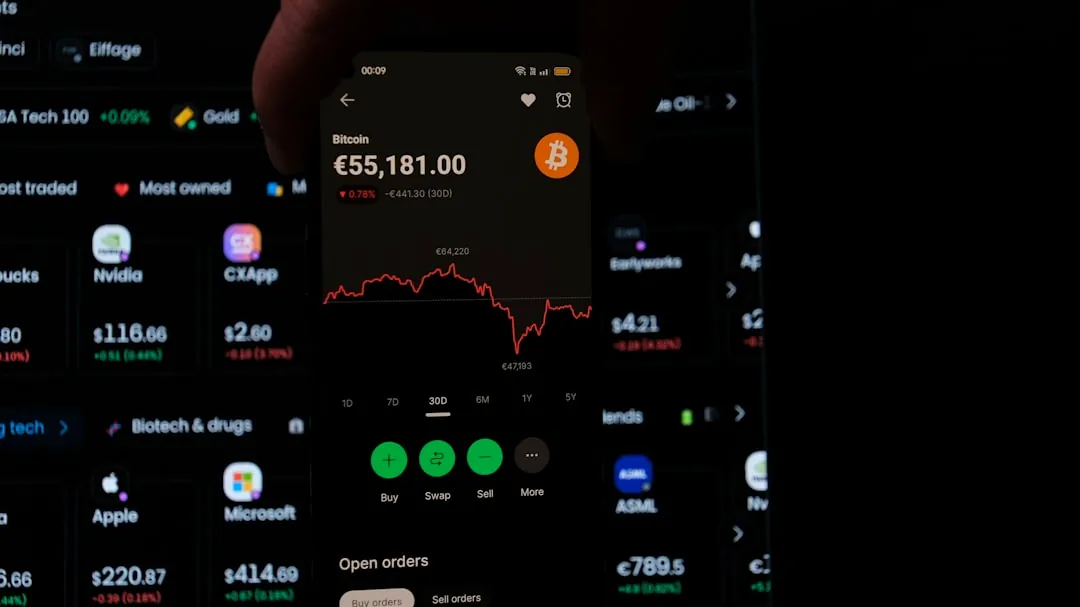
Recent market moves exposed a stark break in the “digital gold” story: during a period of geopolitical tension Bitcoin and gold moved in opposite directions, with their correlation dropping to -0.88. That reversal, combined with central banks adding more than 1,000 tonnes of gold in 2023 while long-term Bitcoin holders were net sellers, shows Bitcoin has not simply replaced gold as the go-to crisis refuge.
In the episode that reset expectations, Bitcoin rallied toward roughly $74,000 while gold fell, producing the negative correlation figure cited by market analysts. At the same time central banks continued to hoard physical bullion—official purchases exceeded 1,000 tonnes in 2023—whereas on-chain data and exchange flows pointed to long-term Bitcoin holders trimming positions, creating a clear “seller overhang.”
That sequence matters because it pairs observable supply-side behaviors with price action: institutional and sovereign actors reinforced gold’s reserve role while sizable Bitcoin holders supplied liquidity into the same stress period, amplifying downside pressure on crypto when risk aversion rose.
Two mechanical differences explain why gold often behaves like a short-term hedge and Bitcoin does not. First, volatility: Bitcoin’s realized and implied swings frequently push annualized volatility above 70%, and its price has historically moved in step with equity sell-offs. Second, liquidity depth and market impact: Bitcoin’s smaller market cap and lower broad-market depth mean concentrated selling can move prices sharply—analysts have modeled that very large disposals, hypothetically in the order of 100,000 BTC, could create outsized percentage drops compared with a comparable physical-gold transaction.
Layered on top are asymmetric risks unique to each asset. Bitcoin faces evolving regulatory pressures, potential 51% or protocol-layer attacks, and longer‑term technical threats such as quantum computing. Gold’s risks are more traditional—physical theft, transport limits, or capital controls—but it benefits from centuries of institutional reserve use and clearer central-bank playbooks during acute shocks like war or sudden confidence losses.
Use correlation, flows, and institutional signals as checkpoints. Specifically: monitor Bitcoin’s rolling correlation with equities and gold over 30–90 day windows; watch central-bank announcements and bullion purchases; track large on-chain transfers from long-term wallets to exchanges; and note regulatory filings or enforcement actions that could change demand or access. If correlation with equities remains high and long-term holder outflows continue, Bitcoin is functioning more like a risk asset than a hedge.
Put thresholds in place: for example, consider reducing a crisis-hedge allocation to Bitcoin if its 30-day correlation with the S&P 500 exceeds +0.4 and realized volatility is above 50% simultaneously, or if exchange inflows from long-term wallets spike by more than 25% week-over-week. Conversely, clearer institutional adoption, stable regulatory guidance, and a persistent decline in volatility would be required before treating Bitcoin as a near-term substitute for gold.
The following table summarizes the most consequential contrasts for someone deciding whether to lean on Bitcoin during market stress.
| Feature | Gold | Bitcoin |
|---|---|---|
| Behavior in short shocks (wars, runs) | Tends to hold or rise; favored by central banks (1,000+ tonnes added in 2023) | Can sell off as liquidity; observed divergence in recent geopolitical episode (corr. -0.88) |
| Volatility | Low relative to risk assets | Often >70% annualized; moves often synchronized with equities |
| Liquidity impact of large sales | High market depth; large transactions have muted price effect | Lower depth; very large sales can produce outsized declines |
| Unique existential risks | Physical seizure, transport/capital controls | Regulatory shock, 51% attacks, protocol vulnerabilities, quantum risk |
| Best-suited hedge horizon | Immediate, short-term confidence shocks | Slow-moving monetary debasement or multi-year systemic stress |
Q: Should I treat Bitcoin the same as gold in a crisis? No. Recent price action and flows show Bitcoin behaves differently in acute shocks; treat it as a distinct asset with higher volatility and different liquidity dynamics.
Q: What would change the assessment? Clear signals would be persistent decoupling from equities, sustained declines in realized volatility, and demonstrable institutional reserve or custody adoption backed by regulatory clarity.
Q: What immediate warning signs should prompt reduction? Watch for sharp increases in long-term wallet outflows to exchanges, a rising positive correlation with equities over a 30–90 day window, or sudden enforcement/regulatory actions in major markets.
Disclaimer: CryptoBetInsight.com is an informational website only and does not operate or provide any online gambling services. Availability of gambling services depends on the laws and regulations of your jurisdiction. Users are solely responsible for ensuring that their use of any external service complies with local laws and regulations.
Affiliate Disclosure: Some links on this website may be affiliate links. If you sign up or make a purchase through these links, we may earn a commission at no additional cost to you.
Legal Compliance: Users from the United States and other jurisdictions must comply with all applicable federal, state, and local laws regarding online gambling. Where applicable, users must meet the legal age requirements in their jurisdiction (commonly 21+).
Responsible Gambling: Please gamble responsibly and only wager what you can afford to lose. If you believe you may have a gambling problem, consider seeking help from a local support organization or a responsible gambling resource.