 111
111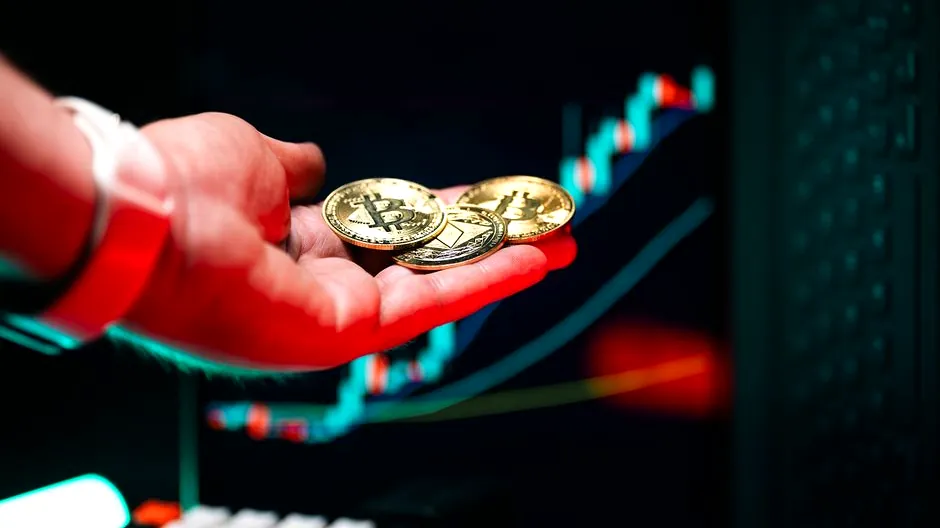 2
2 3
3
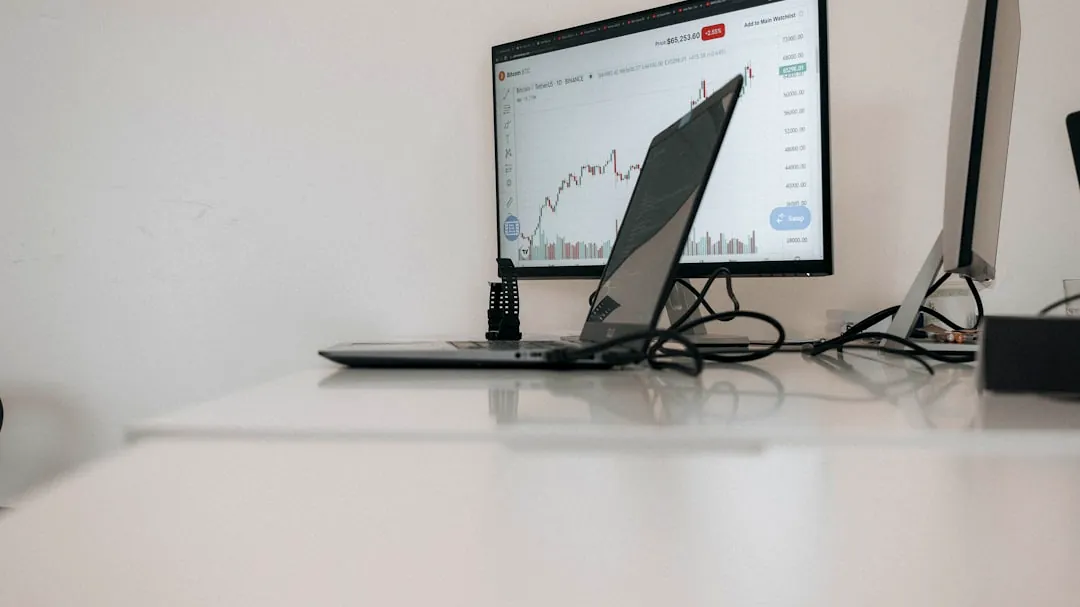
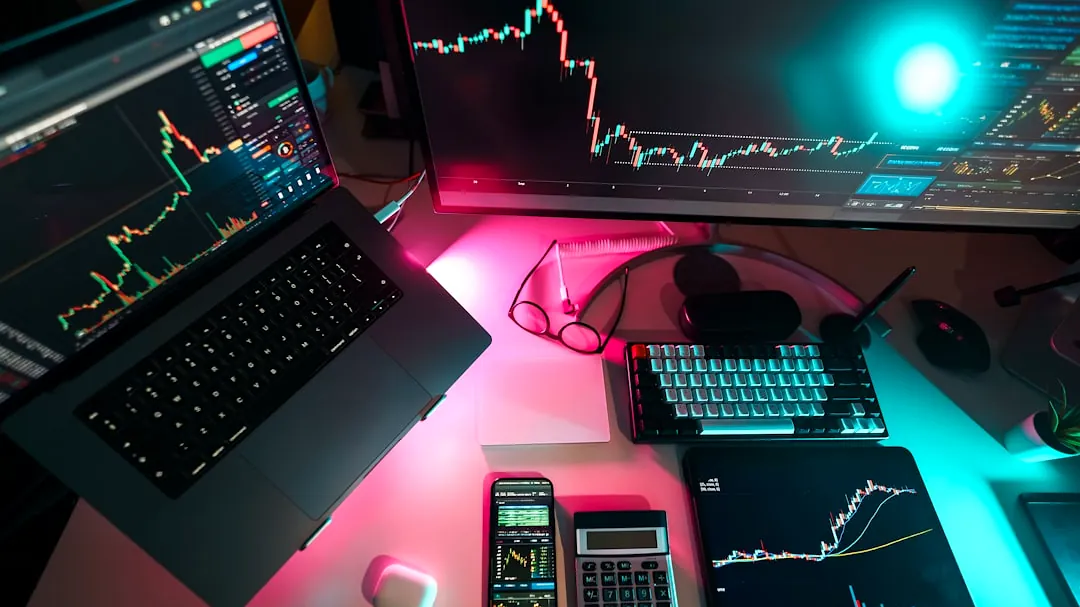
Bitcoin’s break above $80,000 sets a directional conditional: hold above roughly $76,000 and institutional accumulation plus looming ETF clarity can extend gains toward $84,000–$92,000; fail it and the market risks a sharper pullback. The same conditional framing applies to Ethereum, XRP, BNB and Solana — each has a near-term gate that will change the risk/reward for traders and allocators.
Institutional flows are the immediate benefit to the market’s bullish case. Market reports show entities buying at rates that exceed daily mined supply by multiples (figures cited as north of 500% of daily issuance), a pattern historically associated with concentrated rallies. On the technical side, a successful close above $80,000 opens $84,000 and then $92,000 as the next meaningful resistances; conversely a decisive break below $76,000 increases the chance of a drop toward $72,800 or lower.
Mechanically, the tradeoff is straightforward: institutional accumulation and potential ETF-related inflows reduce available exchange supply and steepen the supply curve, which magnifies upside while also concentrating liquidation risk at known supports. That concentration means the $76,000 level functions as both a psychological support and a practical liquidation threshold — watch order-book depth and daily net flows, not just spot price, to tell whether bidders are genuine or front-running a narrative.
Ethereum’s immediate obstruction sits at roughly $2,465. A sustained break above that point would clear a range that currently pigeonholes momentum and could open a path up to roughly $3,050; but bearish structures — including a recent death cross signal and vulnerability around key Fibonacci retracements — mean downside below those retracements becomes likely if $2,465 fails to hold. For ERC-focused allocations, the trade becomes: pay for proximity to a breakout or wait for confirmation above $2,465.
XRP is more binary: upside depends on a sustained close above $1.61. The chart shows an inverse head-and-shoulders forming, and ETF inflows could supply durable demand that pushes toward $2.00 if the breakout holds. If XRP cannot clear $1.61, it is liable to remain in the $1.27–$1.61 range, where ETF inflows may be offset by profit-taking and regulatory headline risk. BNB (range roughly $570–$687) and SOL (resistance near $90.70, next target ~ $98) are both range-bound; volume-confirmed breakouts above those caps or confirmed breaks below the lower bounds will determine whether they join a larger market trend or lag it.
AI-driven year-end 2025 projections converge near current levels: example models place Bitcoin and XRP in a relatively narrow band. ChatGPT-based runs project BTC ≈ $92,000 and XRP ≈ $2.02, Claude-style models are more conservative (BTC ≈ $90,000; XRP ≈ $1.95), and DeepSeek’s outputs sit between those estimates. The clustering reflects model designs that weight recent technical momentum, realized volatility, and ETF inflow proxies more heavily than long-horizon macro narratives.
Human analysts, by contrast, show wider dispersion — some banks and macro houses (Citigroup among them) publish 12‑month BTC targets north of $140,000 — because they fold in scenario-driven macro themes, balance-sheet views and regime shifts that AI models often underweight. The practical implication: if you rely on AI-style forecasts, expect lower implied volatility and tighter positioning around current levels; if you adopt human-driven scenarios, size for fatter tails and policy/regulatory shocks (for example, the US CLARITY Act expected in early 2026 could materially change exchange and custody dynamics).
Translate the condition/cost trade-off into a short checklist: maintain above key supports to favor risk-on allocations; watch institutional and ETF flow metrics for confirmation; if supports break, reduce convex exposure and prefer defensive sizing.
| Asset | Bullish Trigger | Immediate Target | Failure Threshold / Risk |
|---|---|---|---|
| BTC | Hold > $76,000 + steady institutional inflows | $84,000 → $92,000 | Close < $76,000 → $72,800 or lower |
| ETH | Decisive break > $2,465 | $3,050 | Rejection → move back to key Fibonacci supports |
| XRP | Sustained close > $1.61 + ETF inflows | $2.00+ | Remain in $1.27–$1.61 range if rejected |
| BNB | Breakout above $687 with volume | Next trend direction confirmed | Break below $570 opens larger downside |
| SOL | Close > $90.70 with follow-through | ~ $98 | Failure → revisit lower moving averages |
Q: What’s the single most important near-term market signal? A: Bitcoin’s ability to sustain levels above $76,000 alongside persistent institutional net buys — that combination materially raises the probability of upside extension.
Q: How should traders treat the AI vs human forecast split? A: Use AI outputs as a technical-probability baseline and human forecasts to size for regime risks; don’t blend them into a single point estimate without explicit scenario weights.
Q: When does the trade-off favor adding risk? A: Only after a gate is cleared with volume and supporting flow data — e.g., BTC stays >76K for several sessions with net exchange outflows, or ETH closes convincingly above $2,465 with rising on-chain demand.
Disclaimer: CryptoBetInsight.com is an informational website only and does not operate or provide any online gambling services. Availability of gambling services depends on the laws and regulations of your jurisdiction. Users are solely responsible for ensuring that their use of any external service complies with local laws and regulations.
Affiliate Disclosure: Some links on this website may be affiliate links. If you sign up or make a purchase through these links, we may earn a commission at no additional cost to you.
Legal Compliance: Users from the United States and other jurisdictions must comply with all applicable federal, state, and local laws regarding online gambling. Where applicable, users must meet the legal age requirements in their jurisdiction (commonly 21+).
Responsible Gambling: Please gamble responsibly and only wager what you can afford to lose. If you believe you may have a gambling problem, consider seeking help from a local support organization or a responsible gambling resource.