 111
111 2
2 3
3
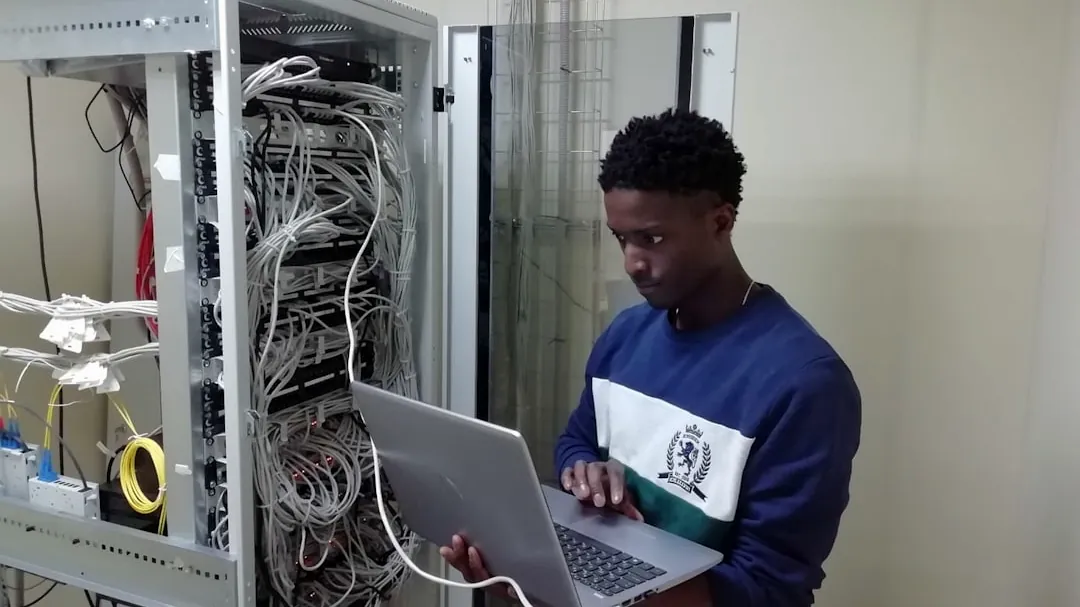
Wintermute’s analysis finds miners facing a structural squeeze from halved block rewards and only modest Bitcoin price gains, and many are reallocating power and capital into AI-focused high-performance computing (HPC) because it yields far better revenue per gigawatt-hour and easier access to market revaluation.
Block-reward halving and a Bitcoin cycle that has only increased price roughly 1.15x mean miners cannot count on past price surges to restore margins. Wintermute notes peak gross margins in this cycle sit below the troughs of earlier cycles — a direct sign the industry’s economics have shifted, not merely paused.
Transaction fees remain highly episodic: they spike during congestion but provide only short-lived, low-percentage relief and therefore cannot reliably substitute for lost block rewards. That volatility is one reason miners are exploring fundamentally different revenue lines rather than waiting for a cyclical rebound.
HPC workloads for AI require GPU density, constant power draw, and rapid scale — characteristics that convert a miner’s sunk investment in transformers, substations, and low-cost grid access into a commercially attractive resource. Wintermute emphasizes that revenue per GWh for AI workloads is materially higher than for ASIC-based Bitcoin mining and that the value is not just in incremental dollars but in operational flexibility (workload scheduling, multi-tenant contracts) that ASICs cannot match.
Practical evidence: operators that struck partnerships with hyperscalers have seen market revaluation. Publicly reported deals such as HUT’s partnerships with Google and Anthropic contributed to asset re-ratings, with HUT’s agreed valuations roughly tripling in tied transactions — a concrete market signal that the switch can unlock funding channels like equity and convertible bonds more readily than pure mining assets.
Miners with large, low-cost power footprints and available grid capacity are the most straightforward winners: they already own the commodity hyperscalers need (cheap, reliable energy close to substations). Companies lacking spare power, located in congested grids, or tied up in long-term ASIC-specific leases face higher retrofit costs and slower time-to-revenue.
Key decision thresholds: a miner should consider conversion when (1) its marginal power cost yields a positive margin against prevailing AI contract rates; (2) it can secure GPU supply or third-party HPC customers; and (3) it can obtain financing for retrofitting — otherwise the conversion may stretch cash and worsen liquidity. A useful stop signal is persistent failure to win contracts after pilot deployments or inability to access GPU-capacity financing within two funding cycles.
| Attribute | ASIC Bitcoin Mining | AI High-Performance Computing |
|---|---|---|
| Revenue per GWh | Lower, tightly tied to BTC price and block rewards | Higher on average; contract rates for GPU compute materially exceed ASIC mining returns |
| Revenue volatility | High (price-driven) | Lower when under fixed contracts; peaks tied to AI demand cycles |
| Time to redeploy | Fast to scale ASICs but limited flexibility | Longer to provision GPUs and networking, but more sustainable demand |
| Financing access | Harder; commodity perception limits revaluation | Easier when tied to cloud/hyperscaler contracts; equity and convertibles feasible |
For many companies this table frames the trade-off: ASICs offer simpler deployment but weaker valuations; HPC requires capex and lead time but can transform a balance sheet and lower funding costs if contracts are secured.
How quickly can a miner pivot? Pilot conversions and small-scale retrofits can take a few months; full-scale GPU deployments commonly take 6–18 months depending on supply of GPUs and permitting.
Are transaction fees a viable substitute? Not reliably — fees are inconsistent and historically provide only temporary revenue bumps, so they are not a structural replacement for falling block rewards.
What should investors watch in 2026? Three catalysts Wintermute flags: broadened treasury/ETF holdings beyond BTC/ETH, outsized returns from major digital assets that could attract spillover money, and renewed retail participation driven by macro factors such as Federal Reserve rate cuts.
For operators and investors, the practical lens is simple: if you control cheap, dispatchable power and can secure GPU contracts or financing, the move to HPC is a credible way to sustain cash flow and improve valuation. If you cannot meet those thresholds, treating the current environment as a temporary cyclical trough risks leaving an asset stranded as the industry structurally reconfigures.
Disclaimer: CryptoBetInsight.com is an informational website only and does not operate or provide any online gambling services. Availability of gambling services depends on the laws and regulations of your jurisdiction. Users are solely responsible for ensuring that their use of any external service complies with local laws and regulations.
Affiliate Disclosure: Some links on this website may be affiliate links. If you sign up or make a purchase through these links, we may earn a commission at no additional cost to you.
Legal Compliance: Users from the United States and other jurisdictions must comply with all applicable federal, state, and local laws regarding online gambling. Where applicable, users must meet the legal age requirements in their jurisdiction (commonly 21+).
Responsible Gambling: Please gamble responsibly and only wager what you can afford to lose. If you believe you may have a gambling problem, consider seeking help from a local support organization or a responsible gambling resource.